
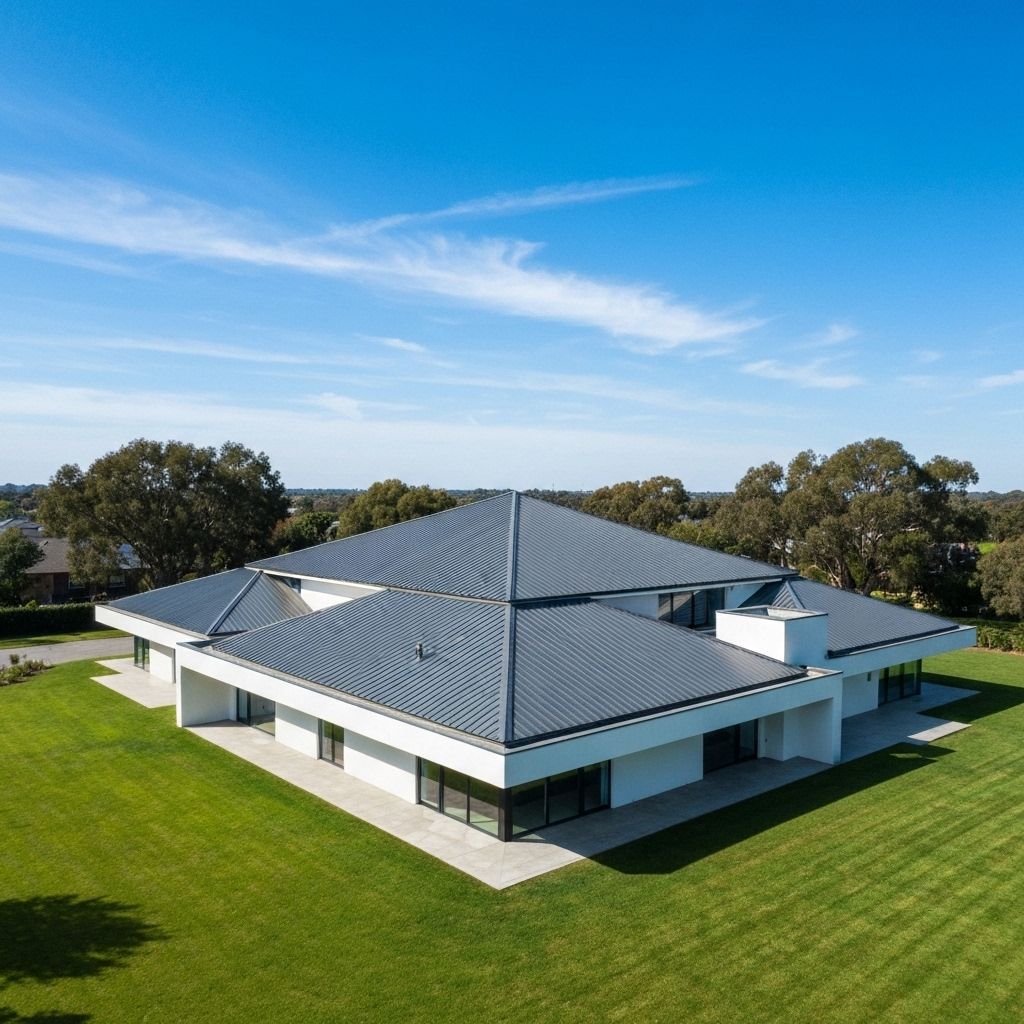
Yes. Roofs get replaced in Cincinnati every month of the year, January included. What changes in cold weather is how the job gets done: shingles have to be handled and sealed differently, and the schedule follows the forecast instead of the calendar. If your roof can't wait until spring, here is what matters.
How cold is too cold to install shingles?
Most asphalt shingle manufacturers recommend installing above about 40°F. Below that, two things change.
Shingles get stiff. A cold shingle is more likely to crack when it's bent over a ridge or hip, and a nail driven too hard can punch right through it.
The sealant strip doesn't activate. Every shingle has a strip of adhesive that bonds it to the row below once the sun warms the roof. In cold weather that bond can take weeks to form, and sometimes it doesn't form until spring. Until it does, the shingles are held by nails alone and a strong wind can lift them.
Neither problem rules out a winter roof. Manufacturers publish cold-weather instructions, and the main one is hand-sealing: a few dabs of roofing cement under each shingle so it's bonded the day it goes on. A hand-sealed winter roof doesn't have to wait for a warm stretch to become wind resistant.
Cincinnati winters have more working days than you'd expect
This isn't Minneapolis. Average winter highs here run from the upper 30s to the mid 40s, and most winters bring several stretches in the 50s. A typical tear-off and re-roof on a single-family home takes one to two days. So a winter job doesn't need a mild month. It needs a short window: a dry deck, light wind, and afternoon temperatures near 40 or better.
The days a crew should stay off your roof:
- Snow, frost or ice on the roof deck
- Rain or freezing rain in the forecast
- Highs stuck in the 20s or lower
- High wind
Expect the schedule to move. A good roofer will give you a target week, then confirm the exact day once the forecast firms up. Shorter daylight also means a job that takes one day in July may take two in January.
What a good winter roof installation looks like
Cold-weather roofing is mostly the same job done with more care. These are the things that separate a winter roof that lasts from one that causes callbacks in March. Ask any roofer bidding your job how they handle each one.
- Shingles stay warm until they're used. Bundles left on frozen ground overnight are brittle by morning. They should be stored inside or kept in the sun and brought up as needed.
- Shingles are hand-sealed where the manufacturer calls for it. Get this in writing on the estimate.
- Nail gun pressure gets checked through the day. Cold changes how compressors and hoses behave. Over-driven nails cut into the shingle. Under-driven nails hold the shingle above up and keep it from sealing.
- Only as much roof comes off as can be covered the same day. Short days mean smaller sections. Your house should never sit overnight with bare decking.
- Ice and water shield goes down in the warmest part of the day. This peel-and-stick membrane protects eaves, valleys and the areas around vents and chimneys. It has a minimum application temperature too, and it won't bond to a frosty deck.
- The deck is dry before anything covers it. Trapping frost or moisture under new underlayment causes problems later.
When waiting for spring costs more than a winter roof
Don't wait if you have any of these:
- An active leak, or new water stains on a ceiling
- Missing shingles or exposed decking after a wind storm
- Soft or sagging spots on the roof
- Water coming in behind an ice dam
- An insurance claim or home sale with a deadline
Water in an attic does more damage in winter, not less. Wet insulation stops insulating, so your furnace runs harder. Decking that soaks and freezes over and over starts to come apart. When the attic warms up in spring, mold follows. A repair that is small in December can mean new decking by April.
If your roof is old but dry, waiting is reasonable. Get it inspected now and get on the spring schedule early, because calendars fill fast after the first big storm of the year.
There is also a middle option. A repair or a temporary dry-in now can stop the damage, with the full replacement planned for warmer weather.
Is a roof replacement cheaper in winter?
Sometimes, but don't plan around it. Shingles cost the same in January as in June, and cold-weather work can take a little longer. What you usually get in winter is a shorter wait. In spring and summer the lead time for a roof replacement can stretch for weeks. In winter you can often get on the schedule for the next good weather window.
What about metal and flat roofs?
Metal roofing handles cold installs well. The panels are fastened mechanically and there is no sealant strip waiting on the sun. The limits are safety and sealants: panels are slick with any frost on them, and caulks and tapes have their own temperature ranges.
Flat and low-slope roofs depend on the system. Glued-down membranes rely on adhesives with temperature minimums. Mechanically fastened and heat-welded systems are more forgiving in the cold.
Winter roofing questions we hear most
Will my shingle warranty still apply if the roof goes on in winter?
Yes, as long as the roof is installed to the manufacturer's cold-weather instructions. That usually means hand-sealing. Ask your roofer to put it on the contract.
How long do shingles take to seal in cold weather?
Without hand-sealing, they may not fully bond until there are several warm, sunny days in a row, which can mean spring. Hand-sealed shingles are bonded right away.
Can you put a roof on when there's snow?
Not on top of it. The deck has to be clear and dry. A light dusting can be cleared off. Ice means waiting for a thaw.
What temperature is too cold to replace a roof?
There isn't one cutoff. Below about 40°F a crew should be using cold-weather methods. Once daytime highs sit in the 20s, anything that isn't an emergency should wait for a warmer day.
Can a roof leak be repaired in the middle of winter?
Yes. Emergency tarping and most repairs can be done in nearly any weather that's safe to work in. A leak should never wait for spring.
Not sure your roof will make it to spring?
Stuart Conrad Roofing Services is based in Amelia and works on roofs across Greater Cincinnati, Northern Kentucky and Eastern Indiana all year. If you have a leak, storm damage, or a roof you're worried about, request a free estimate online. We'll inspect it, show you photos of what we find, and tell you plainly whether it needs work now or can wait.